If the story gets too far ahead of reality, buyers tend to notice very quickly.
A few weeks ago, I was reviewing the first draft of an Information Memorandum for a client with members of my team. I was going through it page by page when I reached the “Partners” section: Google Partner, Microsoft Partner, Amazon Partner, and several other badges from well-known platforms.
I asked the analyst working on the project where he had sourced that material. He told me he had copied it from the client's website and the sales presentations they had provided. I asked him to verify whether these were actual partnerships or simply certifications.
The next day he came back with the answer. They were just certifications.
We removed the page from the document. Every reference to those "partnerships" was taken out.
To be fair, all those logos looked great. A shame.
“Lose up to 6 cm off your waist in two weeks.”
“The toothpaste most recommended by dentists.”
The truth is that we're used to companies stretching the truth—or at least we're no longer surprised when they do. In fact, most of us automatically apply a discount.
If they say "6 cm in two weeks," you assume it's probably 2 cm in six weeks.
If they say it's the most recommended toothpaste by dentists, you assume it's probably one of the top five.
Most people aren't even outraged by marketing fluff anymore. Deep down, we understand that's what marketing does. In the past, we called it propaganda. In English, we might simply call it bullshit.
Marketing is designed to win business. Its job is to build trust quickly, differentiate the company from competitors, and reduce friction in the sales cycle.
Prospective customers rarely audit what you've told them. As long as you don't overdo it, it's unlikely anyone will sue you. They read the message, decide whether they're convinced, and move on.
In an M&A process, as in any sales process, there is plenty of marketing.
An equity story is crafted. You explain how the company got to where it is today, why the shareholders are selling, what makes the business different, where the company is heading over the next five years, and so on.
Marketing materials are prepared: an Information Memorandum, a blind profile, a company teaser sent by email.
But the buyer is not a typical prospective customer deciding whether to purchase a product, subscribe to a service, or hire your firm.
This is someone who may be about to pay you several million euros.
Someone who will inherit the risks associated with your past management decisions.
Someone whose own job may depend on making the right investment decision.
And before doing any of that, they will spend weeks—or months—verifying whether what you've told them is actually true.
The consequences of getting it wrong are dramatically higher for an acquirer.
If you exaggerate the contents of your Information Memorandum and the buyer discovers it, the problem is not technical or contractual. It's a credibility issue.
And in many cases, it surfaces long before formal due diligence begins.
It happens during the initial discovery conversations, when someone with a critical mindset asks two or three questions and realizes there's nothing behind the claim.
It's surprisingly easy for half-truths and small exaggerations to find their way into the documentation.
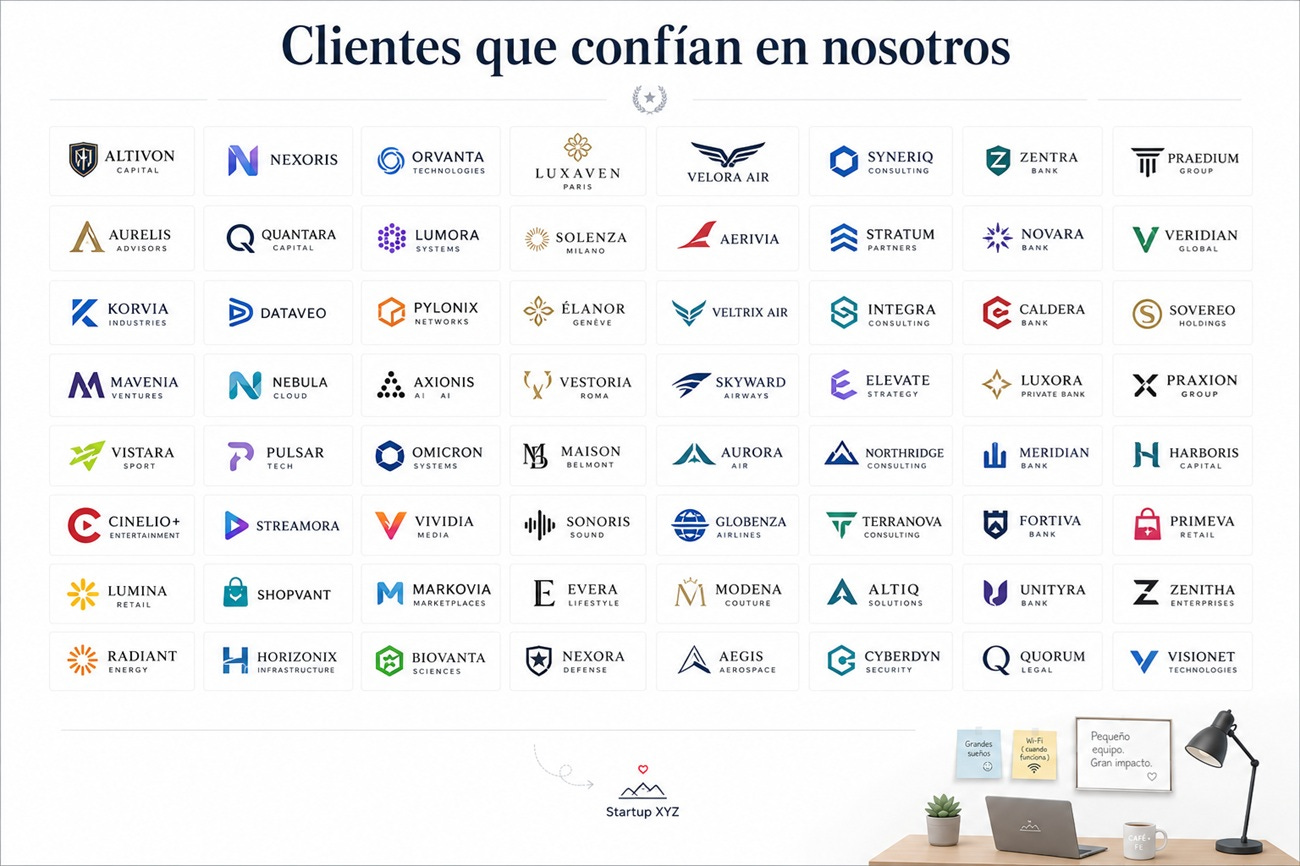
You copy the forty logos from the “clients who trust us” section of the website.
But when you dig deeper, some are active clients, some were one-off projects from three years ago, and some were pilot projects that never went anywhere.
The risk is that the buyer looks at that page full of logos and starts asking questions about a specific client.
Then you have to admit they stopped working with you two years ago.
The next question is why they left.
Then whether you have a customer retention problem.
Then how many of the other logos represent former rather than current clients.
The same thing happens with proprietary technology.
“Proprietary AI platform. Fully automated.”
Then someone asks how many people work in your development team, and it turns out you have one junior developer.
You may have become accustomed to telling prospective customers that the website built around three third-party APIs and a couple of scripts connecting Claude-based functionalities represents a sophisticated proprietary technology platform capable of outperforming competitors.
That story may work with new business prospects.
It's much harder to tell it to the person buying your company.
By the time they see the first demo, they'll realize that what you've described is, to put it generously, a creative interpretation of reality.
There is another issue that is not exactly a flaw in the Information Memorandum (IM) itself, but rather a consistency problem across materials. It can create significant friction in the first meetings with potential buyers.
The company wants to sell a growth story.
It has a new product line that has grown 80% year-on-year, and this is the centerpiece of both the equity story and the growth projections for the business.
However, the company website still puts the legacy business front and center.
The product that has been around for twenty years. The traditional customer base. The same use cases as always.
And from a commercial perspective, that makes perfect sense. After all, that is what is currently driving sales.
The problem is that the buyer arrives at the first meeting having read the IM and browsed the website, and the two narratives do not align.
As a result, they enter the meeting with questions about the legacy business—the very topic you were hoping would not dominate the discussion.
This does not necessarily require a complete redesign of the website.
What it does require is thinking carefully about the messages buyers will encounter before sitting down with you, and ensuring that those messages point in the same direction as your equity story.
There is no magic checklist for this.
In practice, the best approach is to sit down with the team and review the IM, the sales presentations, and the company website side by side, identifying where the narratives diverge.
Some of those inconsistencies can be resolved by adjusting marketing materials before launching the process.
Others are better addressed by removing claims from the IM that cannot be substantiated during due diligence.
And some require preparing a clear explanation for when buyers inevitably ask questions, because eliminating the argument entirely is not always the right solution either.
The objective is not to create a perfectly sanitized corporate presentation where every statement has already been independently audited.
The objective is to ensure that all materials tell the same story—and that the story can withstand scrutiny when someone takes a closer look.
By Joshua Novick - Bondo Advisors

cloud technology axon
Axon Partners Group, Tresmares Capital, Sabadell Venture Capital, Inve...