A System That Is No Longer Complementary
Spain ranks among the countries with the highest consumption of aquaculture products in the world, well above the European average and nearly double the global average. More than half of these products come from fish farms rather than from extractive fishing.
For many years, aquaculture was considered an additional system complementing extractive marine food production. Today, however, it has become a strategic production system.
Aquaculture does not refer only to fish farming; it also includes the cultivation under controlled conditions of aquatic organisms such as fish, mollusks, crustaceans, and algae. It is an activity with more than four thousand years of history that, in just half a century, has become a globally relevant socioeconomic sector, generating more than 14 million jobs and playing a decisive role in the availability of animal protein.
Aquatic products—originating both from extractive fisheries and aquaculture—remain one of the main sources of animal protein worldwide. In the context of the transition toward more sustainable food systems, aquaculture also stands out for its lower carbon footprint compared with other livestock production systems. Its capacity to integrate into coastal and rural communities, sustain local employment, and preserve productive traditions strengthens its economic, social, and cultural dimensions. In countries such as Spain, its economic weight and innovative capacity place it in a prominent position within the European Union.
An Increasingly Demanding Regulatory Environment
At a global level, aquaculture has consolidated its position as the main driver of growth in the availability of aquatic products, surpassing extractive fishing in volume and showing sustained growth rates. However, in the European environment the sector faces a more complex reality.
The European Union has strengthened its commitment to sustainable and resilient development through strategic policies that directly affect fisheries and aquaculture, such as the Common Fisheries Policy, the guidelines for a more sustainable and competitive aquaculture for the 2021–2050 horizon, the European Maritime, Fisheries and Aquaculture Fund, and the recent reinforcement of the system for control and traceability of catches. This regulatory framework responds to sustainability and transparency objectives, but it also introduces a high level of administrative and operational complexity that affects the sector’s competitiveness.
European Market: Production Stability and Competitive Pressure
At the same time, the European market shows signs of stagnation in the consumption of aquatic products, with consumers becoming more price-sensitive while also more demanding in terms of quality, origin, and food safety.
The European Union continues to be a net importer of aquatic products, while third countries increase their productive capacity and cost competitiveness. In this context, Europe’s competitive positioning relies on high standards of sustainability, environmental certification, species diversity, and strict sanitary control within production systems. Such differentiation requires constant investment and continuous improvement.
Food Safety and Control of Origin
Food safety has also gained increasing prominence. Recent episodes related to environmental contaminants in certain wild species or the detection of parasites in imported products highlight the importance of robust control and traceability systems.
Within this complex reality, aquaculture offers structural advantages because it allows the productive environment to be managed from the origin, including feed, water quality, stocking density, and animal health. This does not eliminate risks, but it allows them to be addressed in a preventive and data-driven manner.
Technology and Animal Health as Drivers of Competitiveness
At this point, one of the most relevant challenges for the future of aquaculture emerges: the biological management of farmed species and, in particular, fish health. The impact of climate change, rising water temperatures, the emergence of new diseases, and the pressure to improve production efficiency all require progress toward more predictive and less reactive models.
Modern aquaculture is based on a deep understanding of species biology and on the integration of technologies capable of anticipating health problems, optimizing performance, and strengthening sustainability.
Spain holds a strong position in aquaculture R&D and has a scientific and technological ecosystem capable of delivering solutions in this field. The integration of biotechnological tools and advanced monitoring systems is not merely complementary—it is a prerequisite for maintaining competitiveness in a demanding regulatory environment and a globalized market. Developments such as those of KOA Biotech illustrate this approach, focusing on improving health management in aquaculture through technologies that detect and prevent risks, bringing greater predictability and robustness to production systems.
Producing Better as a Strategic Challenge
European aquaculture is currently in a phase of consolidation and technological advancement. It coexists with extractive fisheries within the same food system and shares with them the objective of ensuring marine resources are managed sustainably. However, its role as a controllable, technologically integrable, and socially relevant source of animal protein is becoming increasingly prominent.
The challenge is not only to produce more, but to produce better—through deeper biological knowledge, greater technological integration, and a strategic vision that understands innovation as a driver of competitiveness.
At Swanlaab Innvierte Agrifoodtech Fund, we are committed to developing a strong technological ecosystem that strengthens the competitiveness of the agrifood sector. Promoting applied innovation in critical areas such as animal health contributes to the resilience and sustainability of the food system as a whole.
By Nora Alonso
References:
“Informe de la agricultura en España 2025”, APROMAR, 2025
“Recall of fish from the market due to Anisakis contamination”, TEDEPAD, 2025.
“Seguridad Alimentaria”, IP Acuicultura, 2025.
“Rapid Alert System for Food and Feed (RASFF)”, Comisión Europea, 2025
“EU Fisheries Control Regulation”, Comisión Europea – Oceans and Fisheries, 2025.
“EU Parliament approves new fisheries control rules”, The Skipper, 2025.
“Pesca marítima de recreo”, Ministerio de Agricultura, Pesca y Alimentación (MAPA), 2025.
“Será obligatorio registrar las capturas de pesca recreativa con la app PescaRec”, Maldita.es, 2025.
“España se mantiene como primer productor de acuicultura de la Unión Europea”, MAPA, 2025.
“La acuicultura en España en 2024: estabilidad en el mar y crecimiento en agua dulce”, Interempresas, 2024.
“Informes y estudios sobre acuicultura”, IP Acuicultura, 2025.
“Criadero de lubina y dorada en Marruecos marca un punto de inflexión para Europa”, Huffington Post, 2025.
“Alerta alimentaria por exceso de mercurio en pescado español”, Antena 3 Noticias, 2025.

cloud technology axon
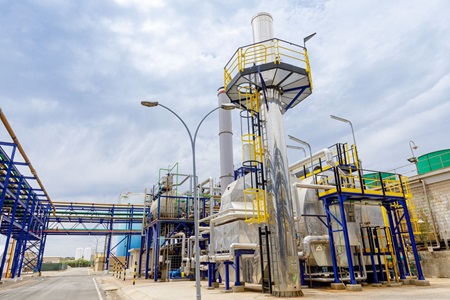
Ercros has received a €20 million ICF EcoVerda loan from the Institu...